 Paul Rosser
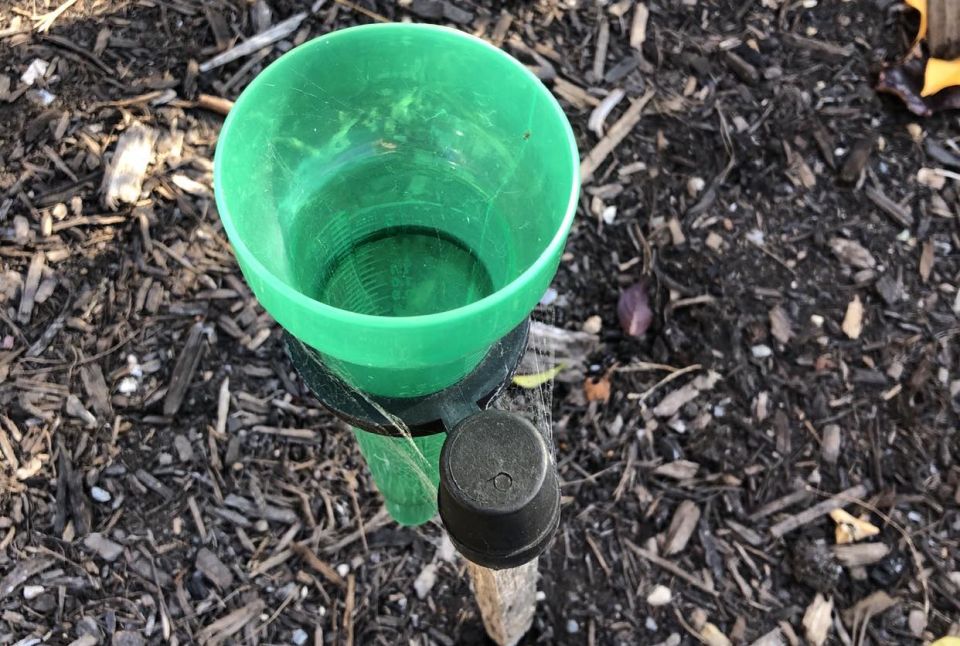
In a pleasant surprise for those with tanks that needed a top up, 68.5 mm was recorded for October, after forecasters thought it would be an average month (36.5mm), followed by a wet November. As I said last month we are in uncharted waters at present with the Pacific, the Indian and Southern Oceans all warmer than average. I felt that the warmth could boost water vapour, hence rain and that was the case last month.
The annual figure is now 568.5mm as a result. Yes, we’ve broken the 500mm mark well and truly.
How do we compare with previous years?
2026 68.5mm (3) 568.5mm YTD (2)
2025 71.5mm (1) 412.0mm
2024 14.5mm 296.5mm
2023 17.5mm 463.5mm
2022 71.0mm (2) 456.0mm
2021 48.5mm 449.0mm
2020 56.5mm 456.0mm
2019 25.0mm 329. 5mm
2018 14.5mm 282.5mm
2017 19.5mm 464.0mm
2016 55.0mm 598.0mm (1)
2015 2.0mm 393.0mm
2014 NIL 345.0mm
2013 9.0mm 469.0mm
2012 14.0mm 476.0mm
This year was the third wettest in the last 15 years, with it being the second wettest YTD in that timeframe.
November through to the end of January is forecast to have:
- Average rainfall
- Temperatures for day and night to be above average
- Sea temperatures to remain above average, including our state,
- The cyclone season begins and extends throughout the quarter
- Soil temperature will be below average as the days and nights are hotter than usual.
This week the successful grants from Green Adelaide were announced. Four, very close to our hearts were:
- Our own AAEV Grassy Woodland Project
- Nature Glenelg Trust’s Contamination Assessment at the Aldinga Washpool
- Aldinga Conservation Park for weed control
- Kanyanyappila Pty Ltd (Gavin Malone’s property) for Landcare work.
Great to see these successful grants coming our way. Congratulations to all parties.
Paul
About Author