 Paul Rosser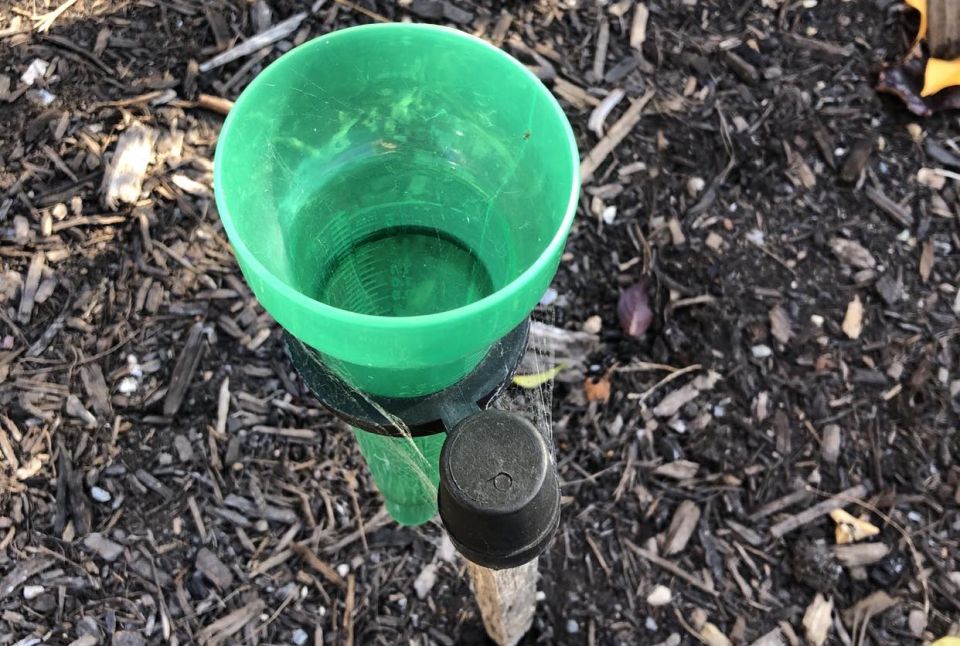
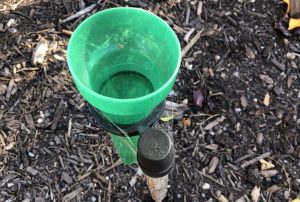
Last month I was querying whether we would get to 500mm for the year by years end. Well guess what, we’ve done it. 500.5mm as of the 30th September 2026. More is on the way.
The total for September was 23.0mm. This was well less than the one hundred year average of 47.7mm. The highest for September in the same period of 145.1mm back in 1917.
How does this all compare with the last 14 years:
2026 23.0mm (12) 500.5mm YTD (2)
2025 27.5mm (11) 340.5mm
2024 22.5mm 282.0mm
2023 37.5mm (8) 446.0mm
2022 50.5mm (4) 385.0mm
2021 44.0mm (6) 400.5mm
2020 46.5mm (5) 400.5mm
2019 41.0mm (7) 304.5mm
2018 19.0mm 268.0mm
2017 52.0mm (3) 444.5mm
2016 112.5mm (1) 543.0mm (1)
2015 29.0mm (10) 391.0mm
2014 31.0mm (9) 345.0mm
2013 54.0mm (2) 460.0mm
2012 27.0mm (12) 462.0mm
While it was our 12th driest rainfall for September our YTD was the 2nd highest due to our quite wet winter. I’m pretty happy with the results thus far. 500mm in any year is good news as we head towards summer.
As I sit here typing one finger, I can hear the slasher tractor cutting the grass on the Conservation Park. This is our seed reduction cut and it does help reduce weed growth if done annually at this time. Years ago, on our McLaren Vale property we got rid of all weeds by scheduling our spring cut around grass flowering time. No seed fell in seven years and all was gone. The native grasses then flourished, especially the Wallaby Grass. It also reduced slashing dramatically as native grasses don’t burn but generally just smoulder in a fire. Saved fuel also.
That brings us to the Fire Season chat. At the Village we have a low fire risk due to our fire safety agreement with the Farmer at the top of the hill and the Department of Environment and Water (DEW). The process we follow each year is seven-fold in nature:
- The farmer takes the head of his crop just before Xmas and reduces the stubble to around 100mm by the end of December,
- DEW does the Fire Risk Reduction slash in mid-December, every year,
- The top of the hill has a 200metre strip of native grasses to reduce flaring in the event of fire from the north west,
- The western end of Bowering Hill has fire resistant plants that were all direct sown at our request years ago,
- Bowering Hill has a downward slope which will create a slow burn rate, the opposite to uphill which is quite dramatic with a north wind blowing,
- The flats at the bottom of the hill are cut to 100mm to reduce grass load. This encourages the self-seeded native grasses to spread.
- The shape of and types of trees in the ‘diamonds’ were designed as low risk patches, especially the Allocasuarina Verticillatas that are fire resistant. The sheoaks, as is their common name, were refuges for First Nations People in times of fires.
So, these seven Fail/Safe safety features protect us from the dangers of summer.
However, we also need to be pro-active in having our own Fire Safety Evacuation Plan well thought through before any event occurs. Preparing it now when there is no risk is the best time to do it.
Having been part of the Ash Wednesday Fire back in the 1980’s we experienced burning twigs 150mm long dropping on to our property two kms from the fire front. They started spot fires. Lucky for us, we got home in time and were able put them out. The whole Village will be at risk if that were to happen here.
Some hints on fire safety may be thought provoking:
- Have steel gutter guards, not plastic as they burn,
- Have a fire hose and petrol pump attached to your rainwater tank, especially if you live on the northern boundary of the Village,
- Wet down your garden on extreme days in the morning as a precaution, as SA Power Networks may turn of the power to our main tanks on Port Road as a network safety precaution.
- Plant fire resistant native plants in your garden for maximum safety and minimum risk,
- Don’t plant vines over your pergola as they are high risk in a fire. The Vignerons will tell you that.
- Support the planting of native grasses on the Village Common Land and farm, as they are fire resistant species
- Clean your gutters pre fire season to rid them of leaves. Some I’ve seen with grass better than the farmers crops,
- Keep the Fire Tracks clear of vehicles at all times for emergency vehicles, such as Fire Trucks, Ambulances, SES vehicles and Police cars. A Fire Truck emerging form a fire with smoke every where will probably not see a parked car in its way which may result in a fatality. Fail/Safe!!
- Our front carpark is a refuge area in case of fire but it may be full. If so, go to the oval or the recreation park.
- Leave early as it may be difficult to get out onto Port Road, with heavy traffic. Use Tetragonia Walk if necessary,
- Pets – do you have an appropriate device to put them in on such an occasion, complete with food and water?
- For yourself. Wear long trouser and shirt made of cotton and a jumper mad of wool is good protection. Maybe hot but it won’t catch alight easily.
- Have your water bottles full of water on extreme days and some full buckets of water ready if needed. Remember the power may be off and your pump won’t work.
I hope these hints help you making your plan a reality.
That’s all for now. Hear from me next month.
Paul
About Author