 Paul Rosser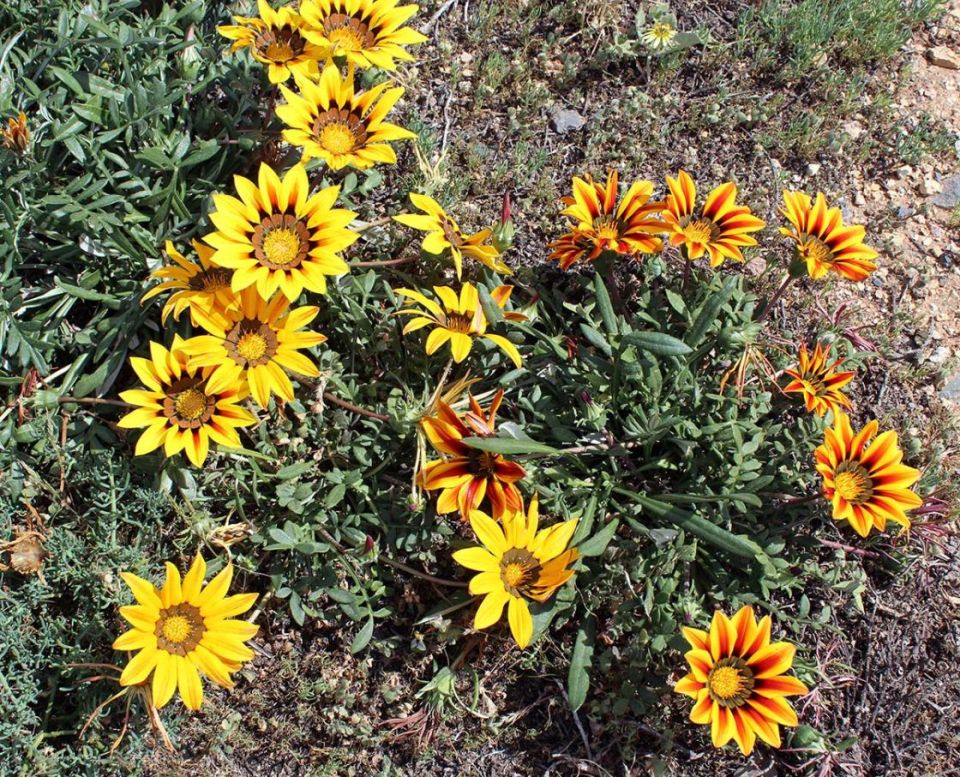
Some nice falls in April resulting in 50.5mm being recorded in the gauge. This took the Year to Date figure to 90.5mm. The main falls came from the large Cyclone that travelled from the Coral Sea skirting around the north coast & eventually down the west coast of Western Australia, where it met a cold front coming in from the south-west. 25.5mm of good soaking rain was the result, over two days.
How did last month compare to other April results:
2025 50.5mm 90.5mm (8) (YTD)
2024 7.0mm 44.0mm
2023 66.0mm 124.0mm (4)
2022 23.0mm 73.5mm
2021 22.0mm 81.5mm
2020 52.0mm 110.0mm (5)
2019 4.5mm 14.5mm
2018 9.0mm 27.0mm
2017 63.0mm 146.5mm (1)
2016 11.0mm 105.0mm (7)
2015 79.5mm 125.5mm (3)
2014 40.0mm 108.0mm (6)
2013 33.0mm 67.0mm
2012 27.0mm 142.0mm (2)
April 2026 ranked eighth out of the last 14 years. A very nice start to the cropping season for this year. We also got a nice fine day for the Anzac Day march as a bonus.
The next three months May, June & July look reasonable with average rainfall, temperature a little above average, soil moisture a little below average still after the drought, sea temperatures around Australia higher than average but tour two gulfs are about average. Our water storages are rated as 50% currently. A Polar Air Flow of very cold weather is expected during the first week of May (it’s here now as I type). Forecaster are predicting an El Ninia is possible toward the end of winter. But it it looks like it may be weak & not affect us too much. I’ll keep you posted on that one.
There was a very alarming report released recently by the Invasive Species Council, which advises the various Governments on listings for their Declared Weeds documents. The paragraph that stood out reads:
“Australia has a massive weed problem, and it’s been estimated that three-quarters come from escaped garden plants.”
Seeds from these plants are distributed by wind, birds, animal in their fur, human traffic on their shoes & garments & tyres of vehicles. Horticulturist Marg Allen from the Victorian Indigenous Nurseries Co-op (VINC) explains ‘that gardeners choose these ‘weeds’ because they are seen to be hardy, drought tolerant & unfortunately quick-growing.’ Surprisingly, in our neighbourhood, we have many of these plants growing. To name those seen in our patch, we have:
- Agapanthus (On our SA Weeds List, therefore illegal to plant or sell)
- Gazanias (ditto)
- Mother in law’s tongue (on the watch list)
- English Ivy (On the SA Weed list)
- Cotoneasters (ditto)
- Cootamundra Wattles(ditto)
- Lincoln Weed/Sand Rocket (ditto)
- Silver night-shade (on watch list)
- Wild Olives (SA Weeds list)
- Dog Roses (on watch list)
- Succulents (on SA weeds listing – e.g. Agave, Aloe species, the only succulents not on the list are native Pigface varieties which are good alternatives to plant).
- Nettles (Are becoming a weed hazard & corrupting our Compost system).
We need to make ourselves aware of the weeds Listing in South Australia as there are legal obligations regarding their propagation, sale, planting & removal. Fines can apply for non-compliance. Let’s act responsibly & respect our environmental status.
Regards
Paul
More info: Identify declared weeds in SA – PIRSA
Main image Gazanias from the PIRSA website.
About Author