 Paul Rosser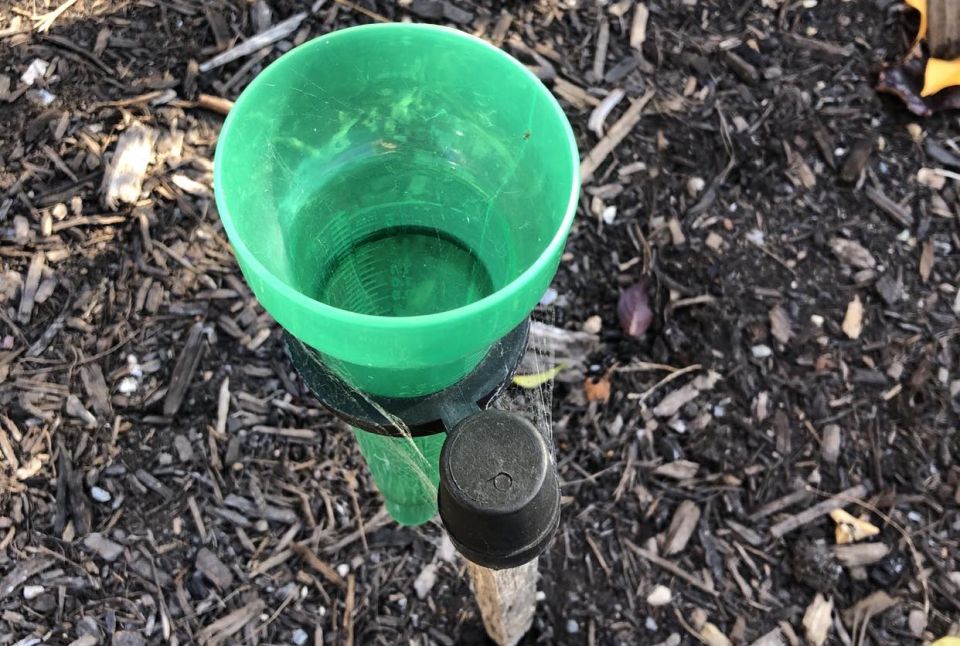
Not a good start to 2026!!
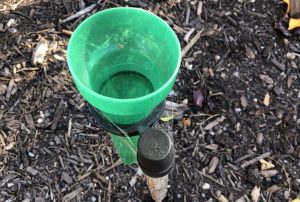
No rain was reported in January leaving the rain gauge with dust in the bottom. Naturally the Year to Date also was, you guessed it, Nil.
How did this compare with the previous 14 years:
2026 Nil
2025 7.5mm
2024 34.0mm
2023 11.5mm
2022 38.0mm
2021 12.0mm
2020 26,5mm
2019 1.0mm
2018 6.5mm
2017 62.0mm (2 X cyclone dumps)
2016 28.0mm
2015 31.0mm (1X cyclone dump)
2014 12.0mm
2013 7.0mm
- 3.0mm
Cyclone dumps are gold rainfall wise. The three mentioned all came out of Broome in Western Australia.
Besides no rain January was very hot right across Australia with many places recording 50degree readings. Many records were broken.
Night time temperatures were also high nationally. Three cyclones in WA & Qld did not affect our weather in terms of rain but caused local flooding in those states. As you’d expect our soil moisture is way down, requiring heavy watering throughout the month.
It was interesting to note that the last three years were progressively hotter & were all above the previous records since records have been collected. Added to the woes the temperature increase of 1.5degrees mentioned in the Paris Agreement is about to be eclipsed.
The next three months are not promising. Rainfall is set to be below average. Temperatures will remain above average as will the sea temperatures around Australia. The Bight & our gulfs will only have average temperatures however. The Pacific is around neutral as is the Sothern Ocean. The Indian Ocean is slightly above average. These will remain steady for the next three months probably.
I was interested in an article in ABC news that wrote of the work of the Bega Aboriginal Land Council regarding Cultural Burns to avoid major bushfires. A NSW Rural Fire Service person reported that cultural burnt areas slowed down the spread of bushfires dramatically. The Insurance industry reported that “the Black Summer fires cost that state’s insurance industry $2.4billion & affected 5.6 million homes. Despite evidence that cultural burning is an effective low-risk tool; for protecting buildings, insuring the practice has been a challenge.” Other evidence shows nature is better of using the age-old practice, rather than our current CFS practice according to experts in the field.
That’s it for January. Have a good year & we’ll meet again next month.
Regards
Paul
About Author